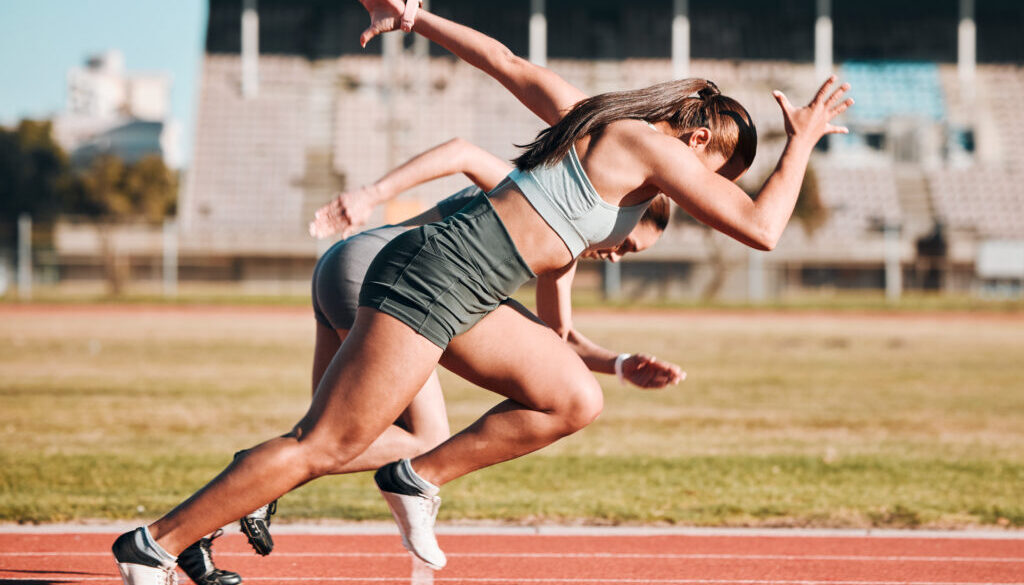
Sports Performance Training: How Facilities Can Build It The Right Way
Sports performance training has become one of the most valuable services a sports facility can offer. Whether it’s run as a standalone business or added as a service, performance training helps athletes get stronger, faster, and more resilient, while giving facilities a more reliable revenue stream that isn’t tied to court or field availability. Not all sports performance programs are built the same. The structure, pricing model, and programming should reflect the type of facility you run and the athletes you serve. Here’s how sports performance training is typically structured across the industry, and how you should choose the right model for your operation.
Sports Performance Training: Standalone Business vs. Add-On Service
This type of training typically falls into one of two categories.
Standalone Sports Performance Business
Standalone performance facilities exist primarily to train athletes. These businesses typically:
-
Operate on recurring monthly billing
-
Offer designated training time slots
The result is a structured environment that supports steady progression and clear development pathways for athletes.
Sports Performance as an Added Service
For many sports facilities (baseball facilities, soccer complexes, hockey rinks, swim clubs), sports performance is an add-on service instead of the main attraction.
In these cases, facilities often:
-
Offer training programs lasting 4-8 weeks
- Align programs with the off-season
-
Use performance training to increase overall athlete value
This model works especially well when facility owners want to maximize revenue without committing to a full-time performance-only operation.
Class-Based Training Is the Standard
Most sports performance training happens in a small-group class format. A typical class might include:
-
Around 6–8 athletes per instructor (exact number depends on experience level and training goals)
-
Structured warm-ups, movement prep, and lifting progressions
-
A balance of coaching attention and group energy
Small-group classes allow facilities to scale revenue while still delivering quality coaching. Athletes benefit from peer motivation, while instructors can manage multiple athletes efficiently.
Private Training
Private sessions are commonly used for:
-
High-level or elite athletes who want individualized attention
-
Athletes returning from injury, who often go through short-term bridge programs where they train one-on-one until cleared to return to group classes
Bridge programs are especially valuable for facilities working closely with physical therapists or athletic trainers. They create a smooth transition from rehab to performance training without rushing the athlete back into full intensity.
Programming Varies by Sport
One of the biggest advantages of sports performance training inside a sports facility is the ability to tailor programming to the sport your athletes already play.
Examples include:
-
Volleyball facilities emphasizing jump mechanics and shoulder stability
-
Hockey facilities focusing on lateral power and rotational strength
-
Swim clubs prioritizing core control, shoulder health, and conditioning
That said, while programming details may change, effective sports performance training always includes the same foundational components.
The Three Core Components of Sports Performance Training
No matter the sport, strong performance programs always focus on three key areas:
- Strength: Builds force, efficiency, and reduces injury risk.
- Explosion: Trains power through jumps, sprints, and sport-specific movements for faster, more reactive athletes.
- Conditioning: Ensures athletes can maintain performance, recover quickly, and handle the demands of practices and games.
- Injury Prevention: Addresses imbalances and reinforces proper mechanics so athletes can train consistently and avoid setbacks.
While the specifics vary by sport, every effective program balances these three elements to help athletes perform at their best.
Why Sports Performance Training Works In Almost Every Facility
One of the reasons sports performance training continues to grow is its versatility. Nearly every sports facility can benefit from offering it.
For facility owners, performance training:
-
Increases revenue per athlete
-
Keeps athletes engaged year-round
-
Differentiates the facility from competitors
-
Supports better long-term athlete outcomes
For athletes and parents, it provides a clear path to improvement beyond skill development alone.
Building a Sustainable Sports Performance Program
The most successful sports performance training programs aren’t just well-coached; they’re well-structured. Clear scheduling, defined program lengths, appropriate class sizes, and thoughtful progression all play a role in long-term success. Whether you’re launching a standalone performance facility or adding sports performance training as a service inside your existing operation, the goal is the same: create a program that fits your athletes, your space, and your business model. When done right, this type of training becomes more than a service; it becomes a cornerstone of your facility’s growth.
If you’re evaluating how sports performance training could fit into your facility, or refining an existing program, booking a consultation with our experts can help you clarify the right structure, pricing model, and rollout strategy based on your space, staff, and athlete base.