
Serving Success: Key Elements to Crafting A Volleyball Club Business Plan
Running a successful volleyball club requires more than passion; it requires planning, strategy, and an understanding of what makes programs thrive. A well-structured volleyball club business plan sets the foundation for long-term success, helping you organize operations, attract athletes, and grow your facility efficiently.
Important Aspects to Consider For Your Business Plan
When building your volleyball club business plan, certain elements are critical to long-term success:
- Teams, Leagues, and Tournaments: These are the backbone of your club’s operations. Teams provide consistent, year-round revenue, making them a key component of your business model. We recommend that you own the team organization or the facility, as this makes scheduling, management, and revenue tracking much easier.
-
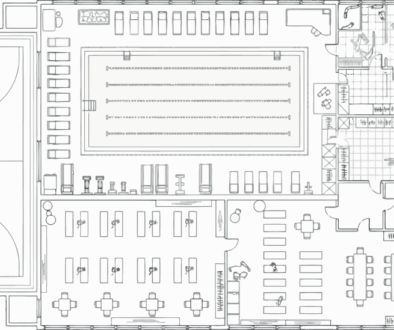
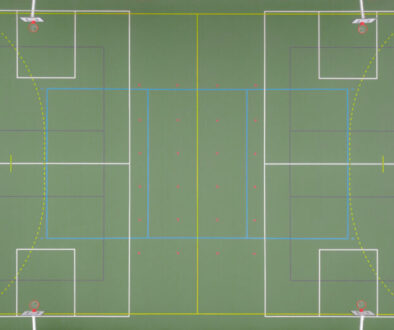
Facility Setup: Most successful volleyball facilities have at least four courts, which allows teams and leagues to train efficiently and host tournaments without conflicts. Adequate court space ensures smoother operations and a better experience for athletes and families.
-
Team Structure: We recommend having both a tournament team and a development team.
-
Tournament Team: This is your travel team, competing in higher-level tournaments such as Open or Club competitions. These athletes often require advanced coaching and frequent travel, but they also help raise the club’s profile and revenue.
-
Development Team: These players are generally less advanced and participate in Classic or regional tournaments. Development teams help grow your athlete base and introduce more players to your club’s programs.
-
Tip: Clearly defining your team structure and facility setup early will make scheduling, training, and tournament planning easier, and help ensure your volleyball club generates consistent revenue year-round.
Facility Costs and Revenue Considerations For Your Volleyball Club Business Plan
The operating costs for a volleyball club are an important addition to your business plan. Accurate budgeting is essential for a sustainable volleyball club. These expenses include:
- Staffing Costs: Salaries for employees and payments to instructors. Many clubs use 1099 contractors for part-time instructors, so account for taxes, payroll processing, and potential benefits if any.
-
Travel and Tournament Costs: If your teams participate in away games, tournaments, or travel leagues, make sure you include transportation and lodging. Many businesses pay the expenses for the coach to travel to a tournament.
-
Facility Costs: Rent or mortgage, utilities, maintenance, cleaning, and insurance for your courts and training areas. If you rent the facility, your club becomes significantly less profitable. You’ll need to cover rental fees and may lose access to controlling pricing for concessions or gate fees.
-
Equipment Costs: Nets, balls, flooring, training aids, uniforms, and safety equipment.
-
Administrative and Operational Expenses: Registration software, marketing, office supplies, and other overhead costs necessary to keep your club running smoothly.
Another thing to consider is that gate fees and concessions can add to your profits during tournaments. Concessions usually include selling spirit wear to the team’s friends and family, and charging for tournament entry can further increase revenue. Be cautious: some states or governing bodies regulate gate fees. For example, the Ohio Volleyball Association prohibits gate fees, while the Ohio Valley Region allows fees under certain limits. Include this in your business plan when projecting revenue and tournament logistics.
Take Your Volleyball Club to the Next Level
Crafting a business plan is the first step, but implementation and expert guidance make the difference. For club owners serious about growing their programs, scheduling, and revenue, personalized consultations provide actionable strategies tailored to your facility’s needs.
Book a consultation with Sports Facility Expert and get expert advice to help your volleyball club thrive.