Building Your Gymnastics Business Plan: Programming For Success
When developing a gymnastics business plan, one of the most critical elements to consider is your class programming. Thoughtful, well-structured programs are not just about keeping your students engaged. They are the foundation of your facility’s success, influencing your retention, reputation, and revenue. In this guide, we’ll walk you through how to structure classes, design effective programming, and implement best practices that set your facility and your athletes up for long-term success.
Structuring Your Classes For Maximum Impact
Effective gymnastics programming should cater to multiple skill levels and age groups. Once you’ve determined the types of classes you want to offer, it’s important to organize your schedule effectively to maximize engagement and safety. Typically, this includes:
- Preschool Classes: Introduce foundational movements such as rolls, jumps, and basic coordination exercises. These classes set the stage for all future skill development.
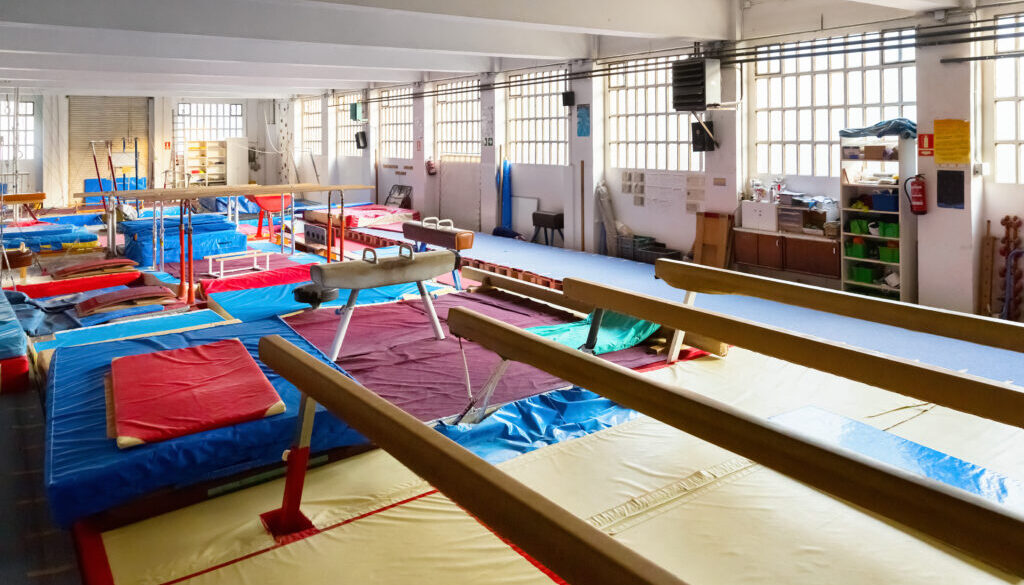
- Recreational Classes: Designed for school-age children who are developing skills at a comfortable pace. These programs gradually introduce apparatus such as balance beams, vaults, and bars while reinforcing strength, flexibility, and confidence.
- Competitive Classes: Intended for athletes aiming for high-level competition. These classes incorporate advanced routines, strength conditioning, and specialized skills.
To organize your schedule effectively, you should add:
- Age-driven classes to ensure safety and engagement
- Skill-based prerequisites to group students appropriately for their level
- Designated time slots to create consistency for families and staff
Programming Strategies For Success
To maximize both engagement and results, consider the following strategies for your programming:
- Integrate strength and conditioning: Incorporate exercises into every lesson to support overall athletic development, improve flexibility, and prepare students for advanced skills and competitive routines.
- Support diverse programming: Consider adding cheerleading, rhythmic gymnastics, or other complementary activities to broaden your appeal and provide varied skill development opportunities.
- Offer introductory classes: Free or trial classes allow potential students and families to experience your program firsthand, lowering enrollment barriers and building trust.
Legal & Administrative Essentials
Policies are an essential part of your programming. They protect the athlete experience and your business. Clear policies ensure a safe, predictable environment, which supports both athlete development and family confidence. Make sure they include:
- A liability waiver
- Program-specific waivers (events, camps, etc.)
- Attendance and make-up class policies
- Dress code guidelines
- Parent viewing rules
Every policy should support your curriculum and your mission.
Conclusion
A successful gymnastics business plan is more than just financial projections; it’s a roadmap for delivering high-quality programming that builds athletes, engages families, and drives growth. By thoughtfully structuring classes, integrating strength and skill development, and considering both recreational and competitive pathways, your facility can create a thriving gymnastics environment from day one. If you’re ready to take your programming to the next level, book a consultation with our experts to get personalized guidance tailored to your facility’s goals.